
The mole check process
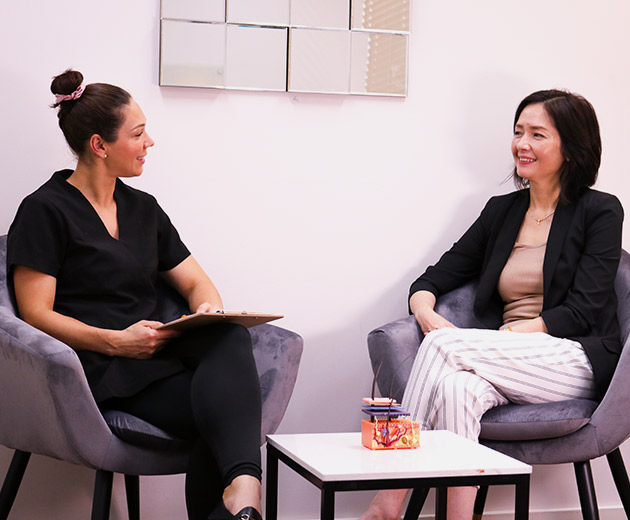
During a mole check, a doctor will consult with you, examine your skin and assess any concerns or risks. If any spots or moles appear suspicious, your doctor will discuss possible next steps, which may include removal or biopsy.
If a biopsy is performed, the sample is sent to pathology for further testing. Results are then reviewed with you at a follow-up appointment. You will also receive guidance on follow-up care and skin cancer surveillance as appropriate.
Why mole checks are important
Australia has one of the highest rates of skin cancer in the world, with around two in three Australians diagnosed by the age of 70. Early detection and regular checks are important, particularly for those with fairer skin or higher risk factors such as a history of sunburn, tanning or family history of skin cancer.